

Burano Lace Museum: History, Traditions and Paths of Venetian Art
- 8 min read
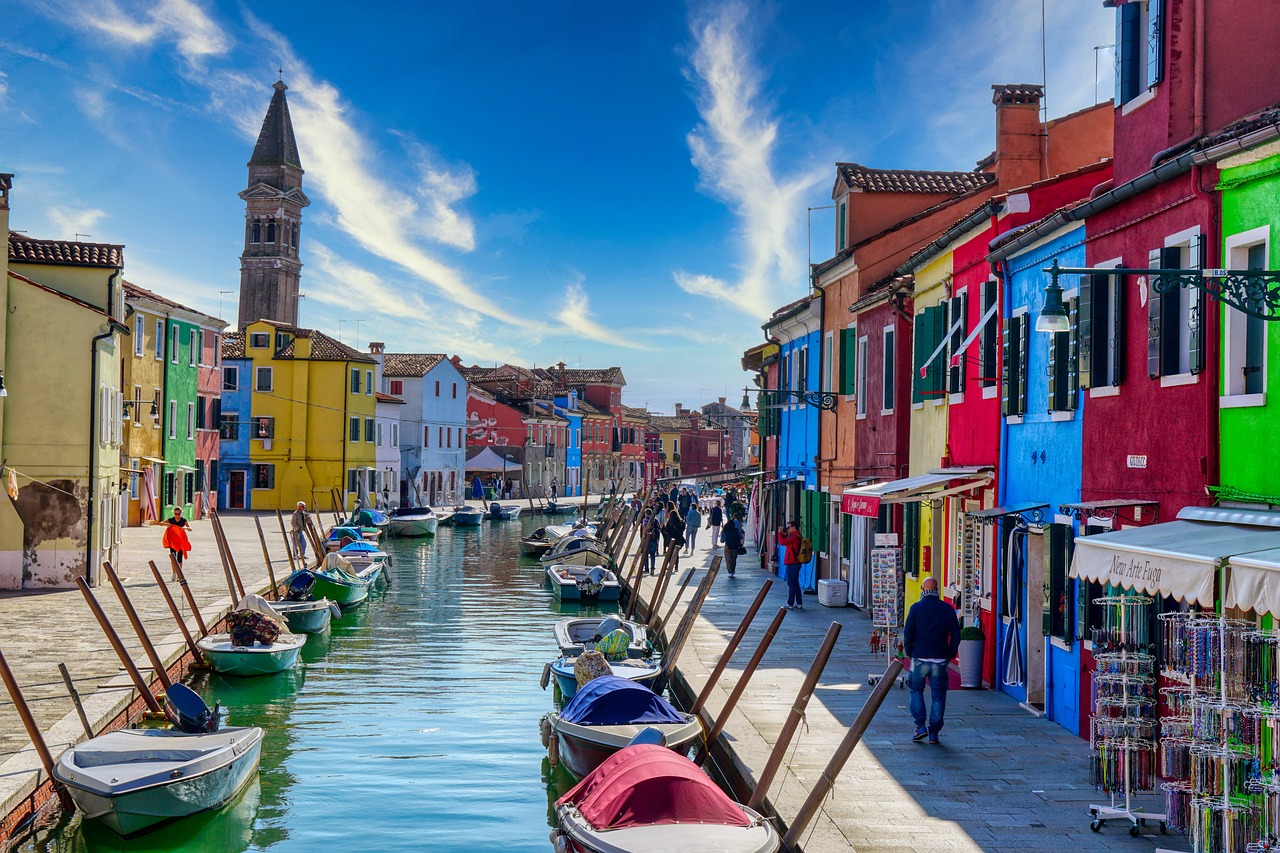
The Burano Lace Museum is one of the most significant places on the island because it preserves one of the longest-lasting and most precious traditions in the Venetian lagoon. Many visitors walk in out of curiosity, but soon find themselves immersed in a world made of extremely thin threads, endless patience and stories that span centuries of female creativity. The museum is much more than a simple exhibition space: it is the living memory of an art that has shaped the cultural identity of the island and the entire region. Many tourists discover the Burano Lace Museum after strolling among the island’s famous colorful houses, drawn by the vibrant tones that make Burano truly unique.
Burano Lace Museum Ticket
The History and Location of the Burano Lace Museum
The history of the Burano Lace Museum is closely linked to the Lace School, founded in 1872 to revive a tradition that risked disappearing due to economic decline and increasing competition from industrial products. At that time, Venetian lace had lost part of its commercial value because new industrial textiles were much cheaper. However, despite this decline, many lacemakers on the island continued to work from their homes, aware of the cultural value of the art they practiced.
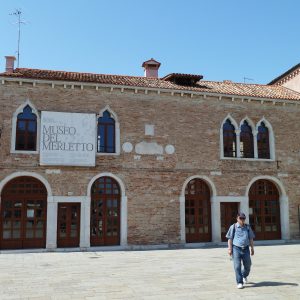
A group of Venetian aristocratic women decided to intervene by founding a school dedicated to teaching and preserving traditional techniques. The school was housed in a building in the center of the island — the same building where the Burano Lace Museum is located today. This place became a meeting point for expert lacemakers and young apprentices.
When the school ceased its activity in the 20th century, the building was temporarily closed. Due to the long period of inactivity, the preserved heritage risked deteriorating, but the Lace Consortium intervened and launched an extensive restoration project. The goal was to bring the building back to life, transforming it into a modern museum space that would maintain a connection with its origins. In summary, the museum’s current location preserves not only documents and objects but also the atmosphere of the time when the Lace School was one of the cultural centers of the island.
The Legacy of the Lace School: A Tradition Saved Over Time
The Lace School represents a fundamental chapter in the history of the Burano Lace Museum, because without its work the art of Venetian lace would most likely have disappeared. The school provided young girls of the island with professional training that allowed them to contribute to their family income. This was particularly important because Burano, being an island of fishermen, relied on a fragile and seasonal economy.
The students learned to create complex stitches such as Punto Venezia, Punto Burano and many decorative patterns that are still symbols of local excellence today. The learning process was slow and rigorous, but it allowed them to develop extremely refined manual skills. Due to these abilities, many lace pieces produced in Burano were sought after in major European capitals.
Today, the museum preserves numerous documents connected to the school’s activity: class registers, historical photographs, preparatory drawings, patterns and letters that demonstrate cultural exchanges with other international institutions.
In summary, the Lace School was a pillar in the survival of Venetian lace, and today the Burano Lace Museum proudly carries on its legacy.
Must-See Sections and Collections
The Burano Lace Museum offers a well-structured exhibition route designed to guide visitors through the history and technique of needle lace. The visit begins on the ground floor, where an introductory room features a video explaining the complexity of lace-making. The video is essential because it shows the hand movements, patience and precision required for each stitch.
Many visitors arrive without knowing how difficult it is to create even a small decorative motif, but the film helps them understand the nature of this art. On the upper floors, the museum displays a rich collection of lace from the 16th to the 20th century. Each room is organized chronologically and explores a different historical period. The pieces include borders, inserts, doilies, embroidered handkerchiefs, garments and fashion accessories from public and private collections.
This experience is particularly moving because it shows how, from a white thread and a very thin needle, a complex work can emerge. In summary, the demonstrations represent the beating heart of the Burano Lace Museum.
Burano Lace Museum Ticket
From the Origins to the 16th Century: Evolution of a Venetian Art
To fully understand the value of the Burano Lace Museum, it is necessary to take a step back in history. The origins of Venetian lace go back to very ancient times. In the mosaics of Venetian churches, motifs appear that resemble the decorations later developed in lace. This shows how sensitive Venice has always been to art and ornamental detail.
During the Renaissance, lace began to be used as decoration in the clothing of noble families. This happened because Venetian society attributed great importance to fashion and luxury, which represented wealth and prestige. Aristocratic women learned the needle lace technique and created elaborate motifs that decorated sleeves, collars and borders of garments.
Between the 17th and 18th centuries, Venice became one of the main lace-making centers in Europe. This happened thanks to the quality of the materials used, but also due to the precision of the craftsmanship.
With the advent of industrial production, however, traditional manufacturing began to decline. Many feared that the art of lace might disappear, but the creation of the Lace School saved this tradition. In summary, the evolution of Venetian lace is an example of cultural resilience that still lives on in the museum.
The Symbolic Value of Lace for the Burano Community
Lace is not only a decorative art; it is also an identity symbol for the Burano community. For centuries, lacemakers worked in their homes or outdoors, sitting in front of the colorful house fronts. Their work shaped everyday life and represented an important source of income in an economy based mainly on fishing.
Families preserved their most precious lace pieces because they represented a heritage to be passed down through generations. Due to their economic and emotional value, lace items were often stored in bridal trousseaus and displayed only on special occasions.
Today, the Burano Lace Museum keeps this collective memory alive, telling the story of the women who, through their talent, contributed to the island’s fame. In summary, the museum celebrates not only an art form, but also the identity of a community that managed to withstand the passing of time.
The Burano Prize: A Journey Through Art and Tradition
In addition to the lace exhibition, the Burano Lace Museum also hosts the Burano Prize exhibition, an award that promotes the island’s art and culture. The artworks come from the four editions of the competition and offer a unique view of how artists perceive the island. The paintings and drawings depict characteristic sights, everyday moments, fishing scenes and panoramic views of the lagoon.
Many works highlight the fragility of the landscape, because Burano is located in a natural environment that requires constant care and protection.
The Burano Prize creates a bridge between contemporary art and tradition. Due to the variety of expressive techniques used by the artists, the exhibition offers a different and complementary perspective to the lace-making route. In summary, this section enriches the museum experience by allowing visitors to discover not only craftsmanship but also the island’s artistic sensitivity.
Burano Lace Museum Ticket
FAQ – Burano Lace Museum
1. Where is the Lace Museum located?
The museum is located in the main square of Burano, inside the historic building that once housed the Lace School.
2. What are the must-see places in Burano?
Besides the Burano Lace Museum, the island offers colorful houses, the Church of San Martino, the leaning bell tower, Via Galuppi and many picturesque corners.
3. What is Burano lace?
It is handmade needle lace created according to a centuries-old tradition, famous for its fineness and complexity.
4. Why are the houses in Burano so colorful?
According to legend, fishermen painted their houses in bright colors to recognize them in the fog. Today, the colors are regulated by municipal permits.
5. What is lace used for?
It is used to decorate clothing, accessories, furnishings and to create unique pieces for collectors and the fashion world.
6. What do you eat in Burano?
The island offers lagoon-based dishes such as fish risotto, moeche, mixed fried seafood and the traditional bussolà biscuits.