

Venice City Pass all Inclusive 72h
Planning a Weekend in Venice
Organizing a Weekend in Venice requires more attention compared to many other Italian destinations, because the city does not follow the traditional logic of urban tourism. The first surprising aspect concerns the management of travel: there are no cars, and every movement happens on foot or by vaporetto (water bus). This element, however, quickly turns into added value, as it forces the visitor to slow down and observe what surrounds them.
One of the most common mistakes is underestimating distances. Venice may look small on the map, but due to the labyrinthine conformation of the sestieri (districts), every route takes time. In summary, planning in advance is useful because it allows you to avoid overly long routes during the most crowded hours. Furthermore, arriving in the city via Santa Lucia or Piazzale Roma necessitates some immediate choices: buying a daily vaporetto ticket is worthwhile if you plan to visit Murano and Burano, while staying in the historic center often only requires a good offline map.
The choice of accommodation deeply influences the pace of the trip. Sleeping near Rialto means being at the center of the action, but it also involves a certain level of nighttime activity. In Cannaregio, however, tranquility dominates the scene thanks to its wider calli (alleys) and less crowded bridges. Due to continuous tourist flows, booking in advance allows you to secure better prices and a strategic position for the main stops of the weekend.
What to See on the First Day
The first day almost always begins at St. Mark’s Square (Piazza San Marco) because it represents the symbolic space of Venetian power. Upon entering the square, the sensation of being in a timeless place becomes immediate. However, it must be remembered that this spot attracts thousands of visitors daily, and because of this, it is advisable to arrive early to enjoy the atmosphere with greater tranquility. St. Mark’s Basilica, with its golden mosaics, immediately captures the eye, but the real surprise comes upon entering: the light reflected on the surfaces creates an almost unreal environment.
Immediately after the Basilica, the Doge’s Palace (Palazzo Ducale) allows one to immerse themselves in the political history of the Serenissima Republic. Crossing the Bridge of Sighs (Ponte dei Sospiri) offers a unique view of the lagoon because it connects two worlds: that of justice and that of imprisonment. In summary, dedicating at least two hours to this part of the city is essential to understanding the power that Venice wielded over the centuries.
Leaving St. Mark’s, the journey towards the Rialto Bridge (Ponte di Rialto) becomes one of the most authentic experiences of the first day. The calli begin to narrow, but the route flows easily thanks to the shops and artisan workshops that accompany the walk. The Grand Canal appears suddenly, and due to its charm, many visitors simply stop to watch the gondolas pass by.
In the afternoon, stopping at a bacaro allows you to enter the gastronomic heart of the city. The cicchetti represent an unmissable stop because they tell the story of Venetian cuisine through small tastings. In summary, the first day offers a complete overview of the most iconic Venice, but still leaves room for discovery in the less touristy districts.
Venice City Pass all Inclusive 72h
What to See on the Second Day
The second day often focuses on the islands because they represent the most authentic and artisanal part of the lagoon. Murano, famous for glass, offers workshops that can be observed up close, but requires some attention to avoid overly touristy shops. In summary, visiting a furnace allows you to understand how complex and rooted this art is.
Burano, on the other hand, welcomes the visitor with its brightly colored houses. Due to their arrangement, every corner looks like a painting. Walking through the island’s streets becomes a relaxing experience because the pace is slower than in the historic center. However, choosing to arrive in the morning allows you to avoid the most intense flows.
Returning to Venice, numerous visitors choose to dedicate the afternoon to the museums. The Accademia Gallery (Galleria dell’Accademia) houses fundamental works of Venetian art, but those seeking a contemporary vision prefer Punta della Dogana. In summary, the city offers a perfect balance between ancient and modern.
The final steps of the second day often lead towards the Cannaregio Ghetto, one of the most historically significant places. Due to its silent atmosphere, it almost feels like stepping out of time. However, this very dimension offers an ideal conclusion to a Weekend in Venice.
Where to Eat During a Weekend in Venice
Eating well in Venice is possible because the culinary tradition is solid and rich, but it requires a minimum of orientation to avoid tourist traps. The bacari represent the most authentic solution: small establishments where one tastes cicchetti accompanied by ombre, the typical local glasses of wine. In summary, this habit allows you to sample multiple dishes in a single evening.
For more structured lunches and dinners, the restaurants in the sestieri of Cannaregio, Castello, and Santa Croce offer excellent alternatives. Baccalà mantecato (creamed cod), sarde in saor (sweet and sour sardines), and fegato alla veneziana (Venetian-style liver) tell the city’s story because they arise from a mix of lagoon traditions and commercial influences. However, reservations are almost always recommended due to the high tourist influx.
In summary, experiencing a Weekend in Venice without exploring the local cuisine would mean missing an essential part of the city’s culture.
Venice City Pass all Inclusive 72h
FAQ – Weekend in Venice
1. How much does a weekend in Venice cost?
A weekend can cost from €130 per person for the Pass (which allows you to save on attractions and transport), plus accommodation, food, and extras.
2. What can I do in a weekend in Venice? It is possible to visit St. Mark’s, Rialto, Murano, Burano, and the main sestieri because they are all easily reachable. In summary, two days are enough for a complete overview.
3. What can I do in Venice in 2 days? The first day explores the main attractions, but the second is ideal for the islands due to travel times. In summary, this structure optimizes the trip.
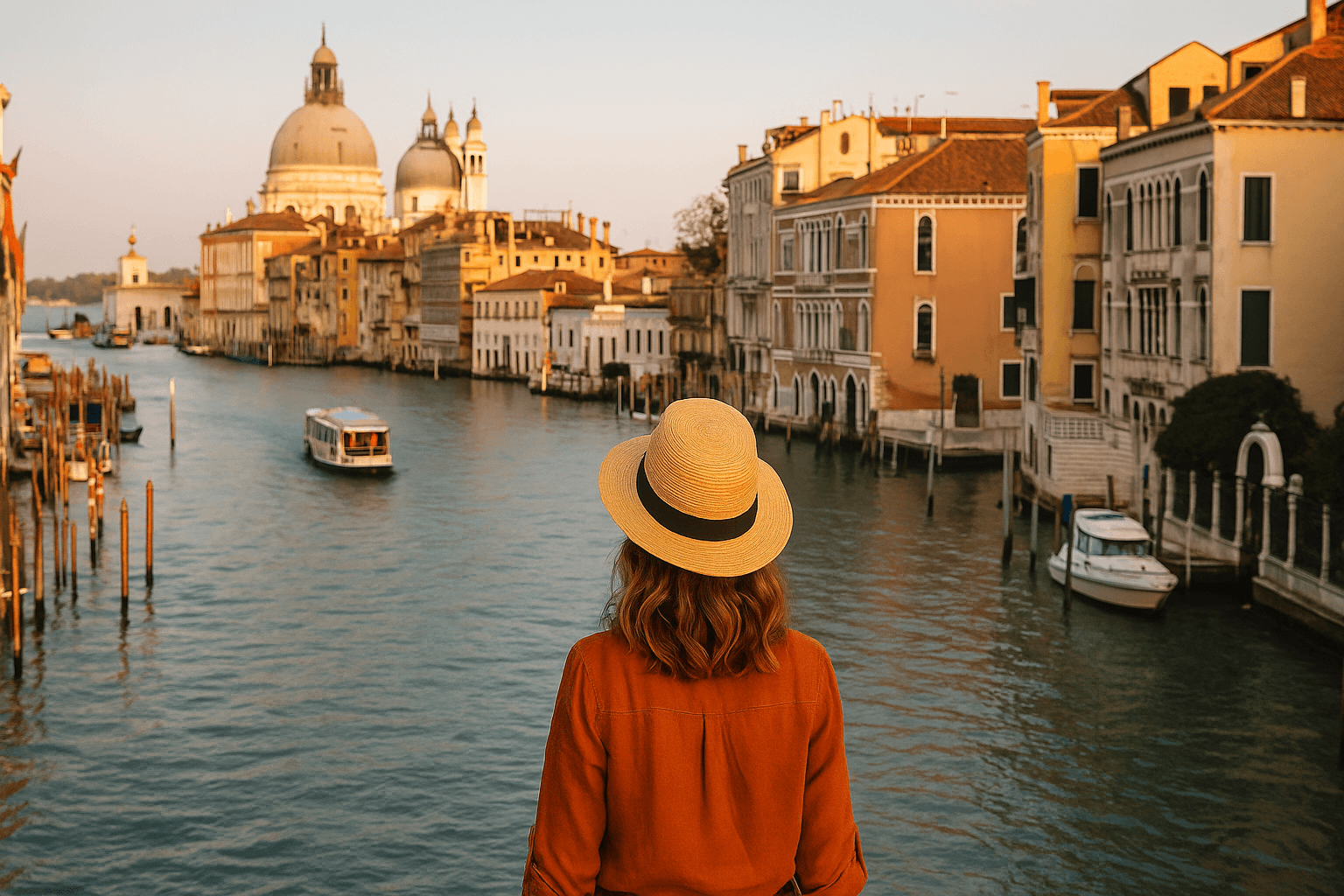
4. What is the most beautiful place in Venice? Many consider the view from the Accademia Bridge (Ponte dell’Accademia) the most fascinating because it shows the Grand Canal in its most iconic form.