

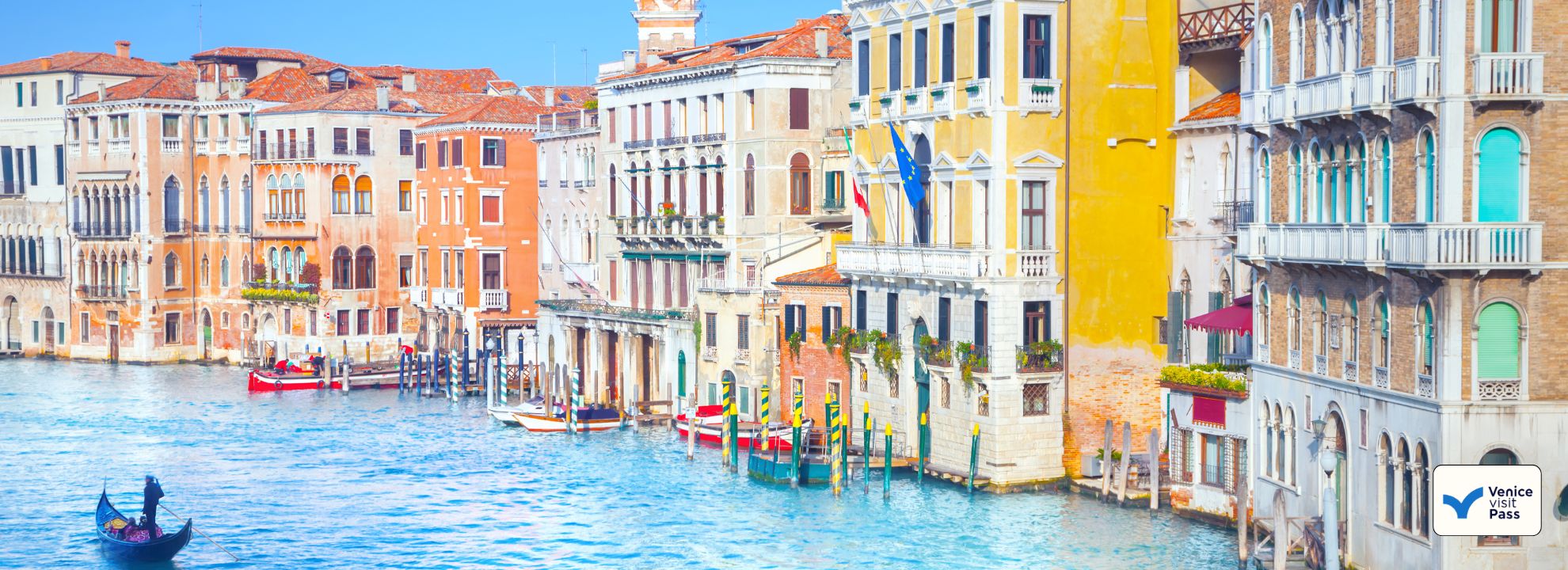
When to Go to Venice: Recommended Periods
- Spring (April–June) and Autumn (September–October): The most balanced months, offering pleasant weather, long daylight hours, and manageable crowds.
- Winter (November–February): The best time to save on accommodation, museums, and transport—with the exception of the Carnival weeks.
- Summer (June–August): Peak season with high temperatures and a crowded city, but also the moment for major cultural events like the Festa del Redentore.
Regardless of your chosen window, getting around the lagoon is always easier with a pass valid for Vaporetti (water buses) and main landmarks, as broken down by season below.
Venice City Pass 48h
Venice in Spring (March – May)
The weather warms up gradually, days get longer, and rainfall—when it happens—is brief. It is the best period to wander through the calli (alleyways) without summer heat and to photograph the lagoon in its vibrant colors, with museums and the Doge’s Palace still accessible without June–August queues.
- April & May: Average temperatures between 12°C and 22°C (54°F–72°F)—ideal for long walks.
- Photogenic Light: Spring light is perfect for a gondola ride along the Grand Canal.
Venice in Summer (June – August)
This is peak season: temperatures often exceed 30°C (86°F), and St. Mark’s Square, the Rialto, and main alleys fill with visitors starting early in the morning. While best avoided if you want tranquility, it is the place to be for cultural highlights, notably the Festa del Redentore in July, featuring fireworks over the St. Mark’s Basin and the traditional pontoon bridge to the Giudecca.
- August Flavors: Brings summer produce like tomatoes, eggplants, and basil to the table—great for simple, fresh Venetian cuisine.
- Beat the Queues: With heat and crowds, traveling by water with a transit pass avoids ticket booth lines for the vaporetti.
Venice in Autumn (September – November)
Weather stays pleasant while the city gradually thins out after summer tourist surges. It is one of the best times to discover Venice’s authentic side through seasonal markets and a more intimate atmosphere. October brings the autumn harvest—truffles, grapes, chestnuts, and olives—adding a food and wine experience to your cultural visit.
- September & Early October: Long daylight hours with declining crowd numbers compared to summer.
- Sightseeing Efficiency: A great period to combine multiple iconic stops—Doge’s Palace, St. Mark’s Basilica, a gondola ride—in a single day.
Venice in Winter (December – February)
Winter in Venice is quiet, mysterious, and significantly less crowded. The weather is cold, but festive lights and near-empty streets offer an atmosphere summer cannot replicate. December features Christmas markets, January opens with the traditional New Year’s Day swim at the Lido and closes with the arrival of the Befana, and February hosts Carnival—one of Europe’s most spectacular events and the only winter window when crowds return.
- Budget Months: November, January, and February (outside Carnival) are the cheapest months for lodging, museums, and transport.
- Carnival Planning: Booking tickets well in advance is essential as events and museums sell out quickly.
The Best Time to Save Money
To visit Venice on a budget, target November, January, or February (excluding Carnival weeks). The weather is colder, but accommodation, museums, and transit cost significantly less than during peak season, letting you experience a more intimate city without long lines.
The Best Time for Foodies
If you plan your trip around food, two windows stand out:
- August: Offers summer harvest staples—tomatoes, eggplants, and basil—perfect for traditional Venetian dishes.
- October: Features the autumn harvest of truffles, grapes, chestnuts, and olives, making it a seasonal culinary highlight.
The Best Time to Visit Iconic Landmarks Without Queues
To see the Doge’s Palace, St. Mark’s Basilica, or the Rialto Bridge without endless lines, choose between April to early June or September to early October. The weather is ideal for walking, gondola rides, and photography, with crowd levels far more manageable than midsummer.
Where to Go Once You Choose Your Dates
After deciding when to visit, plan your routing through the city: a gondola ride remains an iconic experience in any season, while exploring neighborhoods like Cannaregio or visiting the Rialto Bridge helps balance high-traffic landmarks with quieter, authentic corners.
FAQ – Visiting Venice
- What is the overall best time to visit Venice?There is no single best time: spring and autumn offer the best balance of weather and crowd levels, winter is best for saving money, and summer suits those attending major events like the Festa del Redentore.
- When is the cheapest time to go to Venice?November, January, and February (excluding Carnival weeks) offer the lowest prices on lodging, museums, and transportation.
- When is Venice most crowded?Peak crowds occur during summer (June–August) and during Carnival in February. Book tickets well in advance for both periods.
- Do I need to book tickets in advance during the off-season?Yes, especially for the Doge’s Palace and gondola tours. Skip-the-line tickets or transport passes still save time at ticket counters year-round.
You Might Also Like
- Venice City Pass 24h or 72h? Full Comparison, Prices, and Advice for Visiting Venice
- How to Visit the Doge’s Palace: Regular Ticket vs. Guided Tour Differences
- How to Visit the Rialto Bridge: History and Useful Tips